

What Is a Frankenbite? The Ethics of Editing Interview Footage
A frankenbite is a manufactured soundbite, stitched together from fragments of different statements made at different moments to produce something the speaker never actually said. The name is exactly what it sounds like: Frankenstein meets soundbite. And unlike the monster, frankenbites are disturbingly easy to make.
Origin of the term
Where the word came from, and why it stuck
The word surfaced as industry slang among reality TV producers sometime in the 1980s and 1990s. Nobody owns the coinage, and there is no clean origin story. What made it stick is that it describes the technique with uncomfortable precision: you take words from here, syllables from there, and assemble a statement the subject never delivered.
It sits in a different category from a stringout or a radio cut. Those describe how you arrange genuine selects. A frankenbite manufactures a select that did not exist. The line between the two is where the ethics start getting murky, and where more than a few editorial careers have gotten uncomfortable.
How frankenbites are made
The mechanics of manufacturing a soundbite from raw interview footage
Reality production offers the clearest case study because the raw material is so abundant. Contestants answer the same questions multiple times across multiple production weeks. A subject asked how do you feel about Alex in week two, week five, and week eight has handed the edit suite three separate answer pools to draw from.
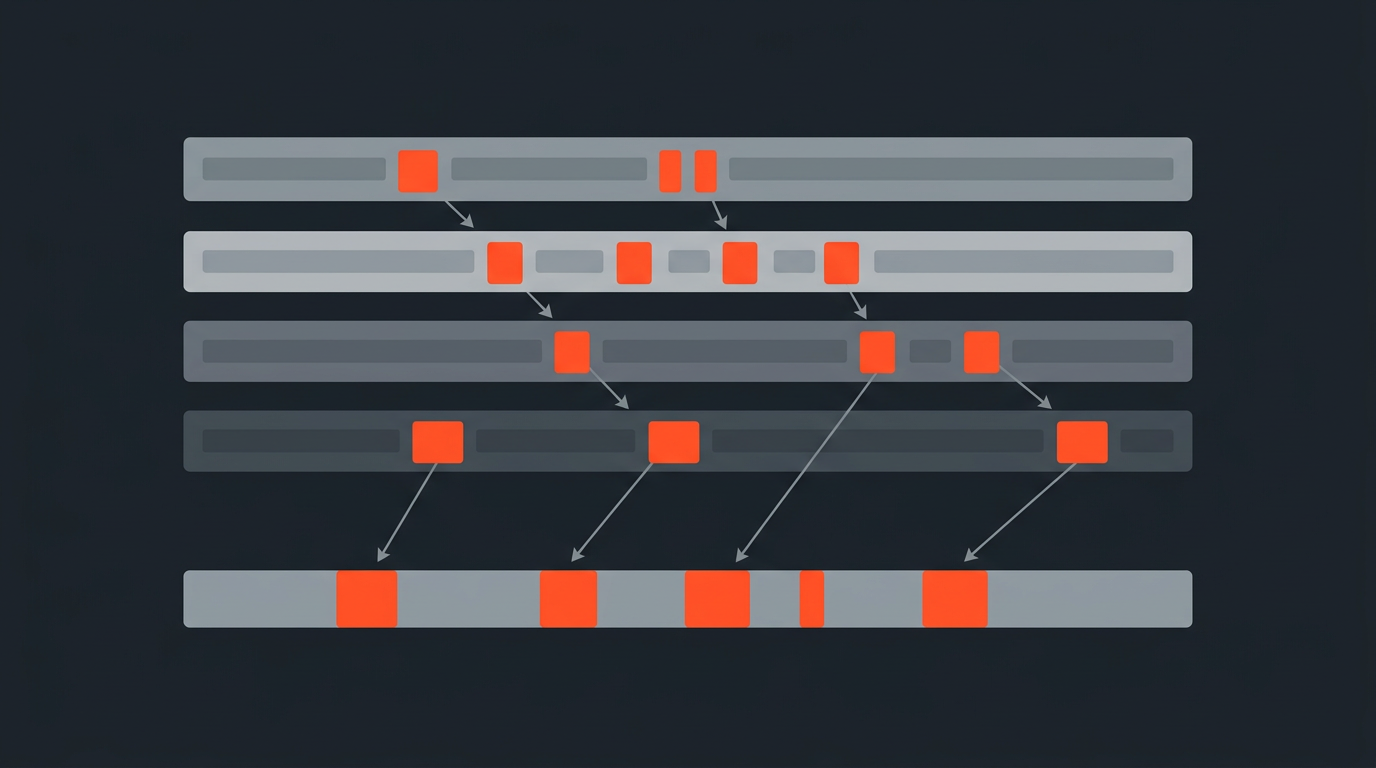
From those pools, an editor can select syllables, words, and short phrases, then sequence them in a new order. A pause from one take gets inserted between two words from another. Filler words and stumbles vanish. The finished cut might run three seconds, sound completely natural, and convey something the subject never meant.
At its most benign, this is cleanup: removing filler words so a stumbling real answer flows cleanly. At its most manipulative, it manufactures a confession, an accusation, or a character moment the subject would dispute outright. That spectrum, from legitimate tightening to fabrication, is where most of the ethical debate lives.
Documented cases
The Bachelor franchise, Under the Gun, and what happened when editors got caught
The Bachelor franchise has become shorthand for frankenbiting precisely because the technique is so transparent to attentive viewers. Contestant Blake Moynes became a documented example when promo clips reassembled his words to suggest a statement he had not made. When the full episode aired, the discrepancy was unmistakable. Former contestant Jamie Otis, from season 17, said directly: I never, ever, ever said what it looks like I am saying on the show.
The more consequential case is the 2016 documentary Under the Gun, produced by Katie Couric. After an interview with the Virginia Citizens Defense League, director Stephanie Soechtig inserted a lengthy pause after Couric asked members about background checks for gun sales. In the real interview, the members had immediately begun answering the question. The manufactured pause made them appear stumped and unable to respond.
The Virginia Citizens Defense League filed a $12 million defamation lawsuit. U.S. District Judge John Gibney ultimately dismissed the case, finding nothing in the film legally defamatory. But the underlying editorial manipulation was never disputed. Couric later acknowledged she had questioned the director about the pause and was told it was added for dramatic effect. That admission made it one of the most-cited examples of documentary frankenbiting in recent memory.
For a rigorous academic treatment, Manfred W. Becker's 2021 book Creating Reality in Factual Television: The Frankenbite and Other Fakes (Routledge) draws on interviews with 75 documentary and reality editors across North America and Europe. Becker is a documentary filmmaker and Assistant Professor at York University's MFA Film program, which gives his findings a credibility that purely theoretical media studies work rarely has.
The ethical line
When tightening a speaker's words becomes manufacturing their meaning
Editors have always compressed interviews. A 45-minute conversation becomes a two-minute segment, which means roughly 43 minutes of real speech gets cut. Nobody disputes removing filler words and repetition. Nobody disputes cutting around the tangent a subject went on and then came back from.
The line is meaning, not duration. Documentary interview editing at its most honest takes what a subject actually meant and finds the clearest, sharpest version of it in the footage. A frankenbite takes fragments out of their original context and assembles a new meaning. The subject's voice is present. The statement is not theirs.
Michael Rabiger's foundational textbook Directing the Documentary (Routledge, now in its 6th edition) describes what he calls the inside-out approach: structure built entirely from what subjects actually said. That approach constrains you to the truth of the footage. The frankenbite technique inverts it, working backward from a desired dramatic moment toward the material that can manufacture it.
Errol Morris, director of The Thin Blue Line and The Fog of War, has stated he refuses paper cuts entirely because they train editors to cut words instead of performance. His concern is adjacent to the frankenbite problem: both warn against treating the transcript as the thing, when the person in the footage is the actual thing. That critique is worth taking seriously even if your workflow stays transcript-first. Every selected line still needs a listen in context before it locks.
Frankenbites in documentary work
How the technique crossed from reality TV into factual filmmaking
Reality television normalized the frankenbite because its production model almost demands it. There are no scripts. There is rarely a second take where the subject says the thing you need. What there is, across weeks of shooting, is a massive pool of raw material in which the clip you need might be hiding in pieces across a dozen different sessions.
Documentary production has a harder ethical case to make. The subjects represent themselves as real people in specific contexts, and audiences expect the words to be real. Paper editing, as a discipline, works to make the best honest assembly from the footage, not the most dramatically convenient one. Becker's research found that frankenbiting is more common in documentary work than most editors acknowledge, often framed internally as cleanup, and that the ethical threshold shifts depending on who the subject is and what is at stake. A sponsored brand testimonial with a frankenbite sits in one category. A political documentary does something else entirely.
Avoiding it in practice
Concrete habits that keep your interview editing honest
A few practices mark the difference between tightening and fabricating.
- Verify on the clip, not just the transcript. Every line you select needs a real listen in context before it locks. The transcript tells you the words. The recording tells you whether the subject's tone and pacing support the meaning you are building toward. Read to find, then listen to confirm.
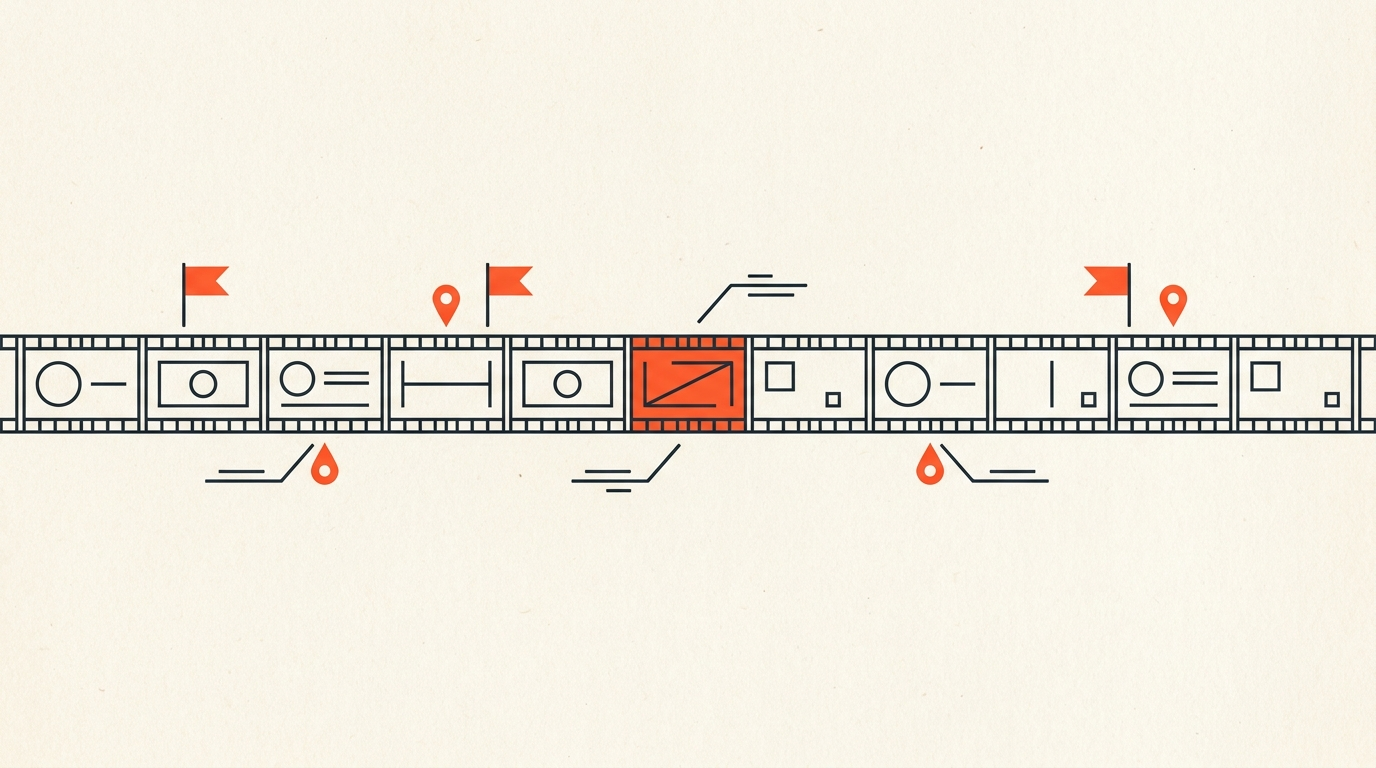
- Mark your joins. If you cut from one sentence of an answer to a sentence three minutes later in the same interview, flag it. The gap matters, and someone else in the room needs to know it is there.
- Distinguish tightening from reordering. Removing filler from within a contiguous sentence is cleanup. Reversing the order of two statements, or combining a fragment from one question's answer with a fragment from a different answer, is a different operation. Both can sound natural. They are not the same thing.
- When meaning requires context, use it. The short punchy version that manufactures a cleaner statement is a choice, not an inevitability. If the full statement only makes sense with the setup, give it the setup.
The broader process of pulling genuine selects is covered in how to find the best soundbites and how to do a paper edit. Honest selection is a constraint, not a limitation. Working within what your subject actually said tends to produce better stories than manufacturing ones they did not.
Transcript-linked editing
How visible context changes what editors catch in their own work
One reason frankenbites slip through is that traditional NLE-based editing severs a clip from its source context. You trim it, move it, place it somewhere new. A few cuts later, where it came from is invisible.
Transcript-linked editing keeps every word connected to its original position in the interview. In a tool like ScriptCut, when you select a line for your assembly, you can see exactly where it fell in the conversation, what came before it, and what the speaker said next. That visibility does not prevent frankenbiting. It makes the joins visible rather than invisible, which is the first condition for catching a bad one before it ships.
The discipline is still yours. But a workflow where the transcript is both the selection surface and the playback surface makes the context of every select harder to ignore, which means fewer manufactured moments end up in the cut and fewer subjects end up saying things they never meant.
Sources
- Manfred W. Becker, Creating Reality in Factual Television: The Frankenbite and Other Fakes, Routledge, 2021
- Variety: Katie Couric, Under the Gun Filmmakers Sued for $12 Million for Defamation
- Refinery29: Is The Bachelor Franchise Getting Sloppy With Its Editing?
- Frame.io Post-Production Workflow Guide: Frankenbites
- Michael Rabiger, Directing the Documentary, Routledge
frequently asked questions
A frankenbite is a manufactured soundbite created by splicing together fragments of speech from different moments to produce a statement the subject never actually said. The term combines Frankenstein and soundbite.
It is not illegal in itself, but it can create legal exposure when it produces a false and damaging impression of a real person. The 2016 defamation lawsuit against the documentary Under the Gun illustrates the risk, though that case was ultimately dismissed.
Normal interview editing removes filler words and tightens what someone said without changing the meaning. A frankenbite assembles fragments from different statements to manufacture a meaning the subject never expressed.
More common than most editors admit, according to researcher Manfred W. Becker, whose 2021 Routledge book drew on interviews with 75 documentary and reality TV editors. The technique is often justified as cleanup even when it crosses into reordering meaning.
Verify every selected line by listening to it in its original context, not just reading the transcript. Mark any joins within a single statement, distinguish removing filler from reordering statements, and keep the full context when meaning depends on it.
Morris has stated he refuses paper cuts because they train editors to cut words rather than performance. His concern is that editing from a transcript makes it easier to assemble meaning from pieces rather than capturing what a subject actually conveyed.
ScriptCut keeps every word linked to its original position in the interview, so the context of any selected line is always visible. It does not prevent frankenbiting, but it makes joins traceable and gives editors clear visibility into where each fragment came from.
You might also like...
Start selecting.

Pick the story in the transcript, export a finished rough cut.