
What Is a Stringout in Video Editing?
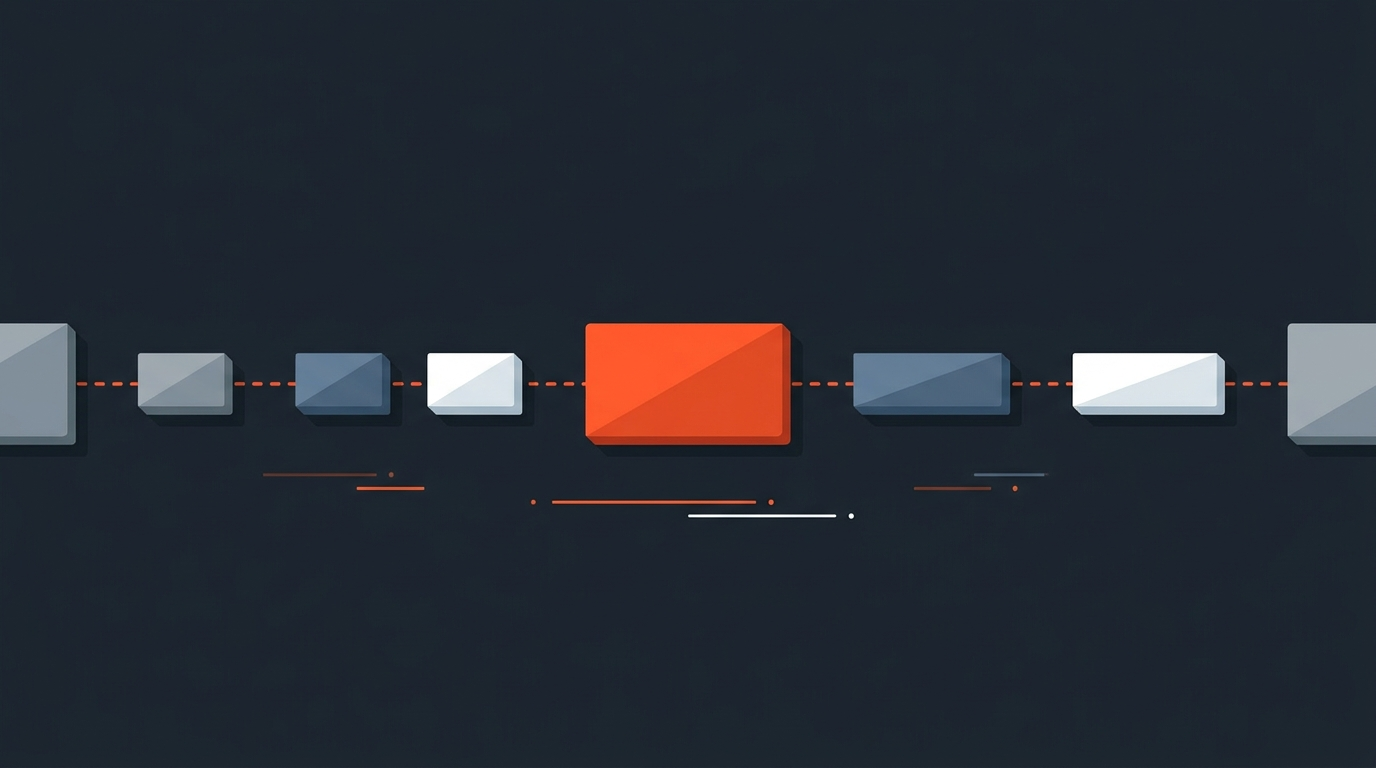
A stringout is the raw run of selected takes and soundbites laid end to end on a timeline, in roughly the order the story might go, before anyone trims a frame for pace. It is not an edit. It is the material an editor needs to see and hear as one continuous sequence before deciding what actually belongs in the cut.
The name describes exactly what happens: you string your selects out, back to back, with no music, no transitions, and no polish. Editors have used the technique for decades in documentary, reality, and interview-based work, long before "transcript editing" was a phrase anyone used. It survives because the problem it solves never went away: good material in isolation is not the same as good material in sequence.
Meaning
What a stringout actually is
A stringout takes your selects, the clips and soundbites you have already marked as keepers, and drops them onto the timeline one after another in a first-guess order. Nothing gets trimmed for rhythm. Nothing gets reordered for effect. The point is to convert a folder of good clips into a single sequence you can actually watch and judge.
Some editors build one long stringout covering an entire piece. Others build several, one per topic, character, or interview subject, and combine them later. Frame.io's post-production workflow guide compares it to hanging every item in your closet on the line on laundry day, so you can see everything you own at once instead of digging through a pile. Either approach gets you to the same place: raw selects, visible as a sequence, ready to be judged rather than guessed at.
What makes a stringout different from just scrubbing through a bin of clips is that it plays. You can walk away and let it run, or hand it to a producer or director and let them react in real time, the way an audience eventually will. A folder of selects never does that on its own. It takes someone actively clicking through it, and every click is a chance to lose the thread. A stringout removes that friction, at the cost of a little assembly time up front.
Backstory
Where the term comes from
The stringout is older than nonlinear editing software. In broadcast news, producers and assistant editors have long used the term for a first pass that strings together every usable soundbite and voice-over grab from an interview log, giving the editor a starting sequence instead of a pile of raw tape to sort through alone.
Reality and documentary television carried the term forward. Editor Steven Friedland, whose credits include The Real Housewives of Orange County and Modern Marvels, wrote about the process directly in a piece called "Reality 101: The Perfect Stringout". He describes a stringout as "the foundation for a scene; the basis for what the story of the scene will ultimately be," built by a story producer to give the editor a head start and a narrative roadmap before real editing begins.
Friedland is also blunt about what a stringout is not: "Your stringout DOES NOT need to be an edit. It is simply a series of shots in a timeline." His advice to whoever builds it is just as direct: "Be selective. Analyze performance and nuance." A stringout done with care, he writes, is one where the person assembling it thought about what actually matters in the material, not just what fits.
Friedland also gives a sense of scale: a single scene's stringout might draw from an hour or more of raw interview and coverage, condensed down to something closer to fifteen or twenty-five minutes of assembled selects, still far longer than what eventually airs. That ratio is the whole point. A stringout is already a compression of the shoot, just not yet a compression into a story.
The distinction between a loose stringout and a shaped assembly is exactly what this short breakdown covers, using the same two terms:
Sequence
Where it sits between selects and a finished cut
A stringout sits right after you have pulled your selects and right before you commit to a structure. The order most editors follow, in documentary and interview work especially, looks like this: pull selects from the footage or transcript, build a stringout, shape that into an assembly cut once you commit to an order, then refine through a rough cut and a fine cut. No Film School's editor glossary describes an assembly cut as the "fat cut," often much longer than the finished piece, where every usable take is placed in order with nothing trimmed for story yet.
The stringout comes before that. It has no committed order and no intent to keep everything in it. It is closer to a workspace than a draft. Once you start defending an order, deciding this soundbite leads into that one on purpose, you have moved from a stringout into an assembly.
That distinction matters more than it sounds like it should, because it changes how freely you can work. Inside a stringout, moving a soundbite from the end to the beginning costs nothing, you have not argued for its position yet. Inside an assembly, the same move means undoing a decision. Keeping the stringout stage honest, genuinely unordered rather than secretly settled, is what keeps the next stage from feeling like demolition work.
Format
The radio cut and themed stringouts
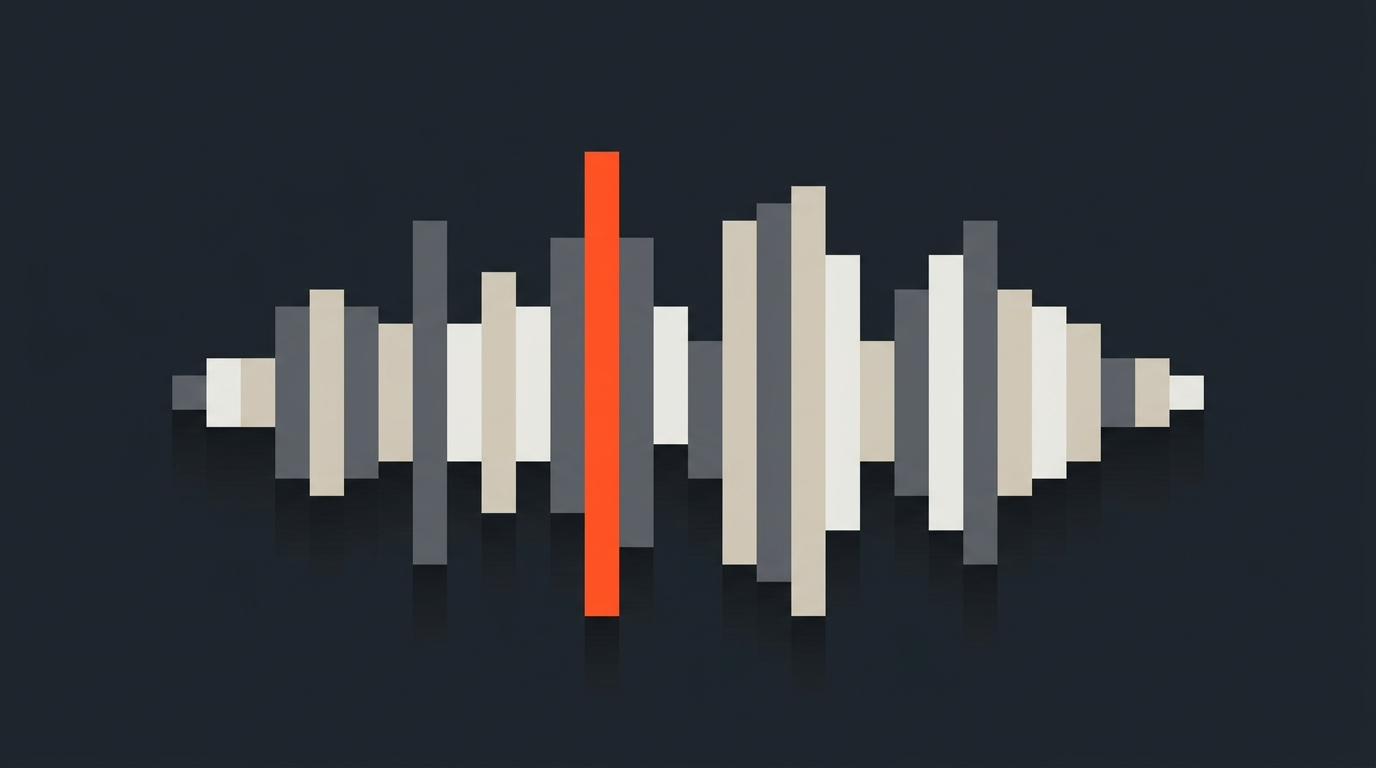
On interview-heavy or voice-led work, editors often build the audio-only version of a stringout, commonly called a radio cut. You listen to the whole thing with the picture hidden or your eyes closed, and judge whether the story holds up on sound alone. If a podcast episode or documentary sequence cannot survive as audio, adding video rarely saves it. The radio cut catches structural problems, dead air, and repeated points before anyone spends time on visuals.
Scale changes the approach too. A single interview or a short piece works fine as one stringout. A documentary built from dozens of interview subjects, or a podcast season, usually needs themed stringouts instead, one per topic, guest, or storyline, so each strand can be judged on its own before anyone weaves them together. Beverly Boy Productions notes this is exactly how the technique gets used in documentary and reality production: lining material up chronologically or by theme to spot the recurring subjects and emerging threads that end up anchoring the final story.
Neither format is more correct than the other. A single stringout is faster to build and easier to hold in your head. Themed stringouts take longer to set up but scale to hours of footage without turning into an undifferentiated wall of clips nobody wants to sit through twice. Pick based on how much material you actually have, not habit.
Craft
What belongs in a stringout, and what doesn't
A stringout should hold your strongest material only, not everything you shot. Friedland's advice again applies directly: be selective, and pay attention to performance and nuance, not just whether a line is usable. A stringout stuffed with mediocre B-roll and every take of every line defeats the purpose. It is not a stringout anymore, it is just your whole shoot in one file, and nobody can judge structure inside that much noise.
What a stringout should not have: trimmed edits, music, transitions, or graphics. Those all belong later. Adding them here just wastes time you will redo once the order actually changes, and it tricks you into judging polish instead of story. The one thing worth doing at this stage is working from a paper edit or transcript so you already know roughly which lines you are stringing together before you touch a timeline.
Labeling matters more than people expect. A stringout with no clip names, no speaker tags, and no notes about why a moment made the cut is only useful to whoever built it, and only for a day or two. Come back to it a week later, mid-project, and you are re-watching from scratch. A few seconds of labeling per clip saves real time later, especially on anything with more than one interview subject.
Pitfalls
Where stringouts go wrong
The most common mistake is trimming while you build. An editor drops in a clip, immediately starts shaving frames off the front and back, and by the time the stringout is done it is quietly already an assembly, with commitments nobody meant to make yet. That defeats the entire point of keeping this stage loose.
The second mistake is skipping the audio pass on voice-led material. A sequence can look fine scrubbing through video and still fall apart the moment you actually listen to it end to end. The third is building a stringout with no labels or grouping, so revisiting it a week later means re-watching everything from scratch instead of jumping straight to the theme or subject you need.
A fourth, quieter mistake is treating the stringout as optional on short-form work. It is tempting to skip straight to an assembly on a two-minute clip, and sometimes that is fine. But the moment a piece has more than two or three interview subjects, or more than a handful of usable soundbites per subject, skipping the stringout tends to cost more time than it saves, because you end up making structural decisions one clip at a time instead of looking at the whole set first.
Automation
How transcript-based editing changes the process
Traditionally, building a stringout meant logging timecode by hand, scrubbing through hours of source, and manually dragging clips into a timeline in the right order. That is still how a lot of editors work, and it is still valid. But when your selects live in a transcript instead of a bin, the stringout step gets a lot faster to build and a lot easier to trust.
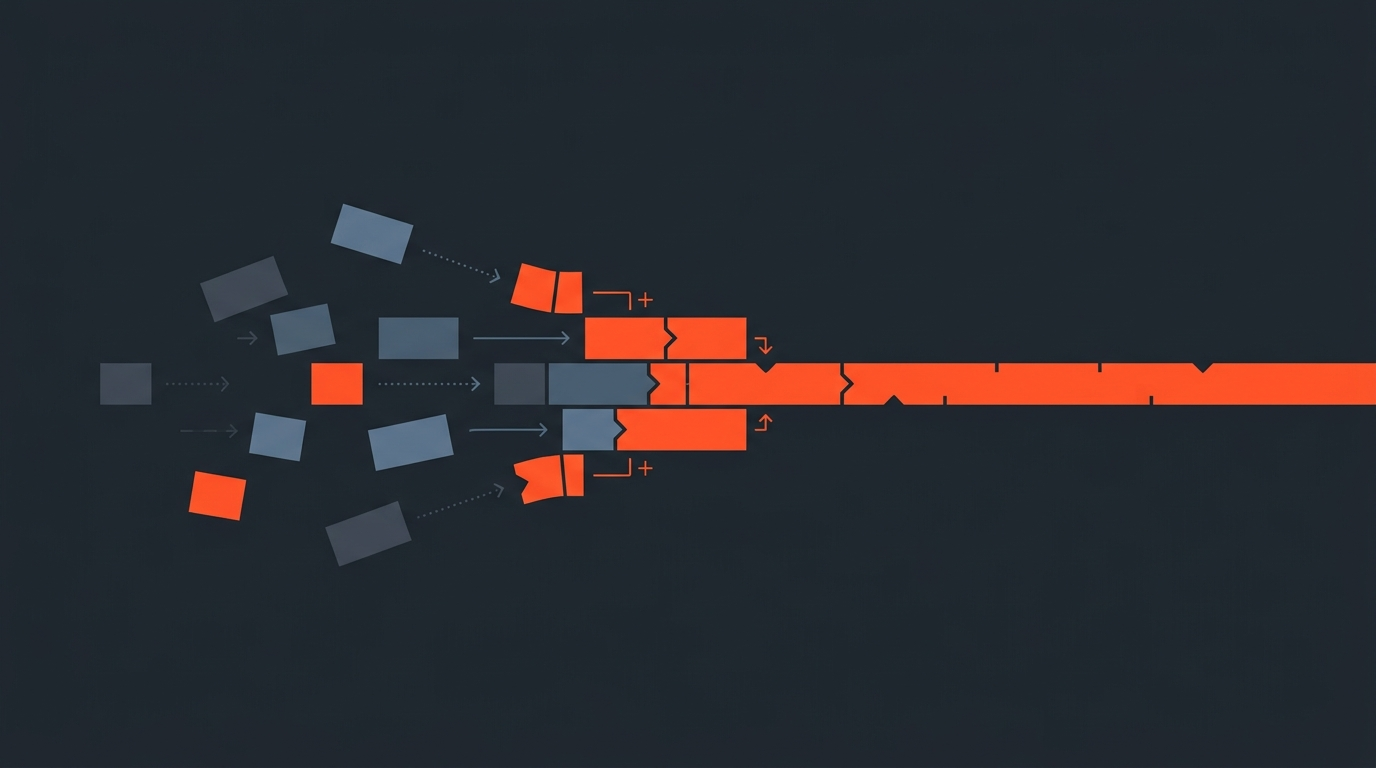
In ScriptCut, you select the lines you want directly in the transcript, in whatever order the story needs, and the app builds the sequence for you automatically, in that order, using word-level timecode pulled straight from the source recording. Because each cut point comes from the exact word boundary, not an approximate mark on a waveform, what you see in the transcript is what lands on the timeline. That stringout can go straight to a client for a look-and-feel pass through a share link, or export as a real sequence, XML, EDL, or a subtitle file, into Premiere Pro, DaVinci Resolve, Final Cut Pro, or Avid, instead of sitting as a rough placeholder someone has to rebuild by hand later.
This does not remove the judgment part of the job. You still decide what counts as a keeper, what order makes sense, and what gets cut when you move from stringout to assembly. It just removes the hours of manual logging and dragging that used to sit between having good material and being able to actually watch it as a sequence, which matters most on interview and podcast-heavy projects where the transcript already holds every word you might use. That is also where a documented paper edit earns its keep: plan the order on paper or in the transcript first, and the stringout becomes a formality instead of a guessing game. The same logic carries into text-based editing more broadly, and into format-specific work like turning a podcast into a YouTube video or handling broadcast-style transcript editing for journalists, where the raw soundbite stringout has always been step one.
Sources
frequently asked questions
A stringout is your selected takes and soundbites laid end to end on the timeline in rough order, with nothing trimmed for pace. It turns a pile of good clips into one sequence you can actually watch and judge before committing to a structure.
A stringout is unordered raw selects with no commitments made yet. A rough cut comes later, after an assembly, once the editor has already made structural decisions about what stays, what goes, and what order tells the story.
A radio cut is a stringout judged on audio alone, listened to with the picture hidden. Editors use it on interview-heavy or voice-led projects to confirm the story holds together by sound before spending time on visuals.
No. Trimming, reordering for effect, and adding music or transitions all belong to later stages. Trimming during the stringout quietly turns it into an assembly before anyone meant to commit to an order.
A short piece from one or two interviews works fine as a single stringout. A documentary, series, or podcast season with many subjects usually needs themed stringouts, one per topic or guest, judged separately before being woven together.
Instead of scrubbing footage and dragging clips by hand, you select the lines you want directly in the transcript. Tools like ScriptCut assemble them into a timeline automatically, in order, using word-level timecode from the source recording.
You might also like...

Start selecting.

Pick the story in the transcript, export a finished rough cut.