
What Is the Frankenbite? The Ethics of Editing Interviews
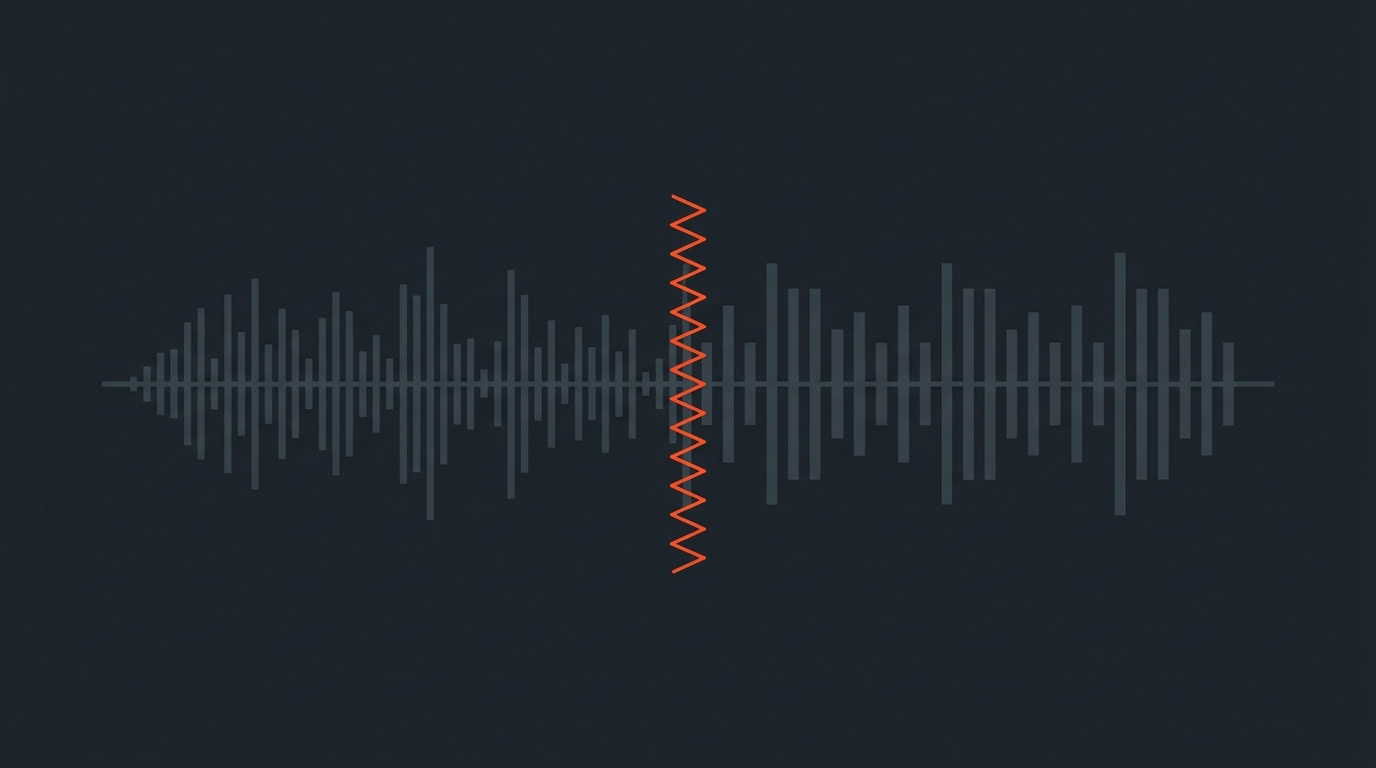
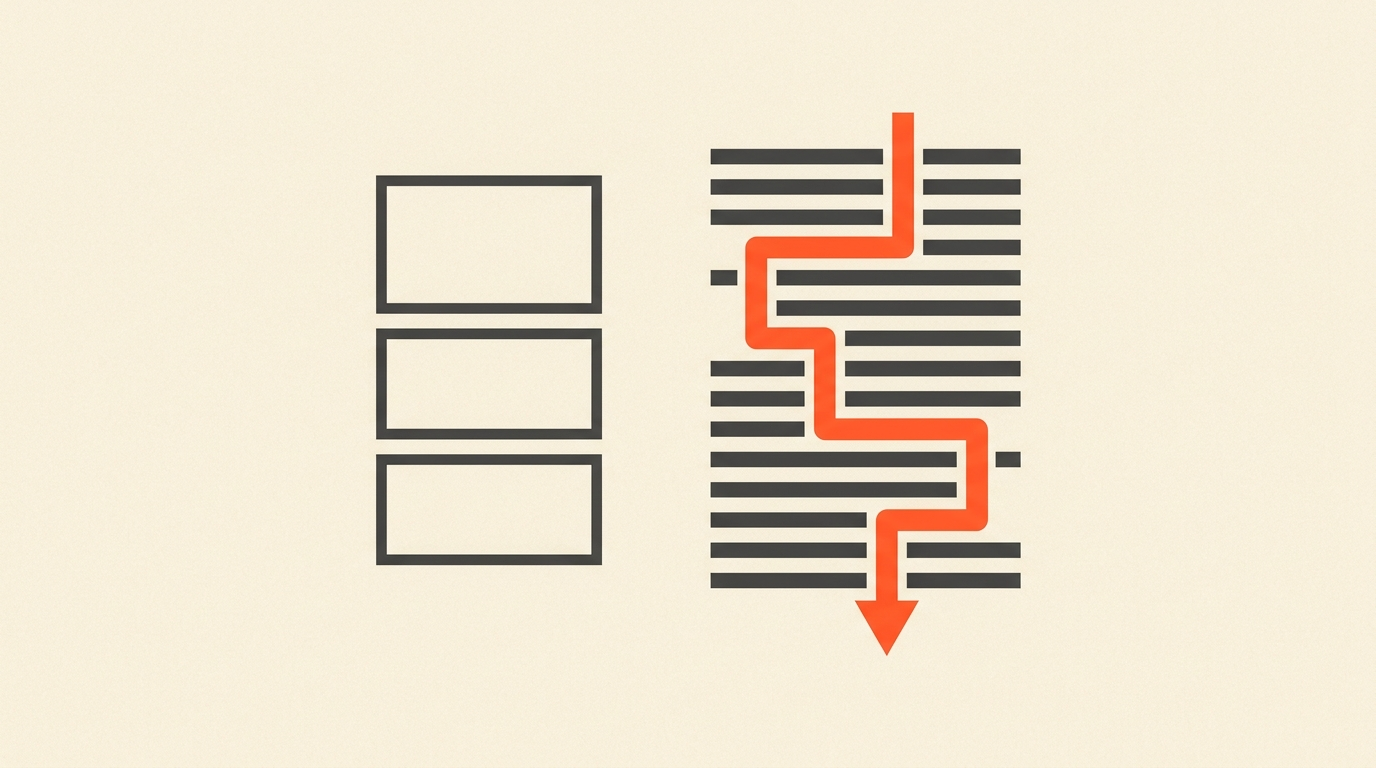
A frankenbite is a sound bite stitched together from words spoken at different times, edited so seamlessly that it sounds like one continuous statement, creating a sentence the subject never actually said.
The name says it all. Like Frankenstein's monster, it is assembled from parts that were never meant to go together, then brought to life as if it were whole. And like the monster, it can do real damage.
Every editor who works with interviews needs to understand this term, not to do it, but to know exactly where the line is. Because the same tools that let you tighten a rambling answer can, in the wrong hands, let you fabricate one.
Definition
What a frankenbite is
A frankenbite takes fragments of speech from separate moments, maybe even separate questions, and splices them into a single bite that reads as one unbroken thought. The audio is smoothed, the cuts are hidden under b-roll or a cutaway, and the viewer hears a clean, confident statement.
The term comes out of reality television and documentary post-production, where the pressure to produce drama from hours of mundane footage is intense. Manfred Becker discusses the practice in Creating Reality in Factual Television: The Frankenbite and Other Fakes (Routledge, 2021), based on interviews with 75 North American and European editors, framing the frankenbite as one of several fabrication techniques that blur the line between editing and invention.
Fair vs Foul
The line between fair and foul
Not all rearranging is a frankenbite, which is the part that matters most because it is easy to get wrong in both directions.
Editing interviews always involves cutting. You remove filler, you drop the dead air, you reorder whole answers so the story flows. Trimming a 90 second ramble down to the 15 second core is normal, ethical, and expected. Moving a strong answer earlier so it lands better is fine. You are condensing, not inventing.
The line gets crossed when the edit changes the meaning. If you take 'I would never say the project failed, because honestly it succeeded' and cut it to 'the project failed,' you have manufactured a statement the person never made. That is a frankenbite. The words are technically theirs. The meaning is yours, and it is false.
So the test is simple. Did you tighten what they meant, or did you build something they did not mean? Condensing is craft. Fabricating is deception.
A Famous Case
A famous case
The clearest cautionary tale is the 2016 documentary Under the Gun, produced by Katie Couric. In one section, gun-rights activists from the Virginia Citizens Defense League are asked a question about background checks, and the film shows them sitting in silence for roughly eight seconds, apparently stumped.
Audio of the actual interview later revealed they had answered immediately. The eight-second pause had been taken from a completely different part of the session, a recording of people sitting before the interview began, and edited in to make the subjects look like they had no response. A back-and-forth that actually went on for over four minutes was replaced with manufactured silence.
Couric eventually addressed it, saying she took 'responsibility for a decision that misrepresented an exchange' with the group. The episode became a textbook example of how an edit can lie without altering a single word, just by controlling what surrounds them.
Why It Backfires
Why it is tempting and why it backfires
The temptation is real. You have hours of footage and a deadline, and the perfect soundbite is almost there. The subject said the right idea in one breath and the right phrasing in another. Splicing them feels like a small sin in service of a clearer story.
It backfires because trust is the entire currency of nonfiction. The moment an audience, or a subject, discovers a fabricated bite, every other edit in the piece becomes suspect. And the receipts usually exist. Raw footage, other people's recordings, the subject's own memory. Under the Gun fell apart precisely because the unedited audio surfaced.
Staying Clean
How to stay on the right side
Keep your edits at the level of whole thoughts: cut a complete answer, move a complete answer, drop a complete answer. The danger lives in sub-sentence splicing, gluing half of one statement to half of another.
When you tighten within a sentence, remove only filler and false starts, the ums, the 'you know's, the abandoned restarts. Removing 'um' does not change meaning. Removing the word 'not' does. See how to remove filler words for where that boundary sits.
Always be able to play the original. If you can hear the unbroken source clip behind your selection, you can verify the meaning survived the cut. That check is your protection. It is also your subject's.
Common Mistakes
Common mistakes
The first mistake is assuming any reordering is wrong. It is not. Radio cuts and paper edits exist precisely to rearrange answers into a coherent structure. Reordering is the craft. Fabricating meaning is the crime.
The second is hiding cuts to deceive rather than to smooth. A cutaway that hides a trim of filler is fine. A cutaway placed specifically to disguise a meaning-changing splice is the problem.
The third is editing from text alone and never checking the footage. Errol Morris put it bluntly: 'paper cuts give you a very false idea,' and 'I edit from the film, never from the transcripts.' The transcript can make a frankenbite look harmless on the page. The footage tells you the truth.
Pre-Edit Connection
How this connects to the pre-edit
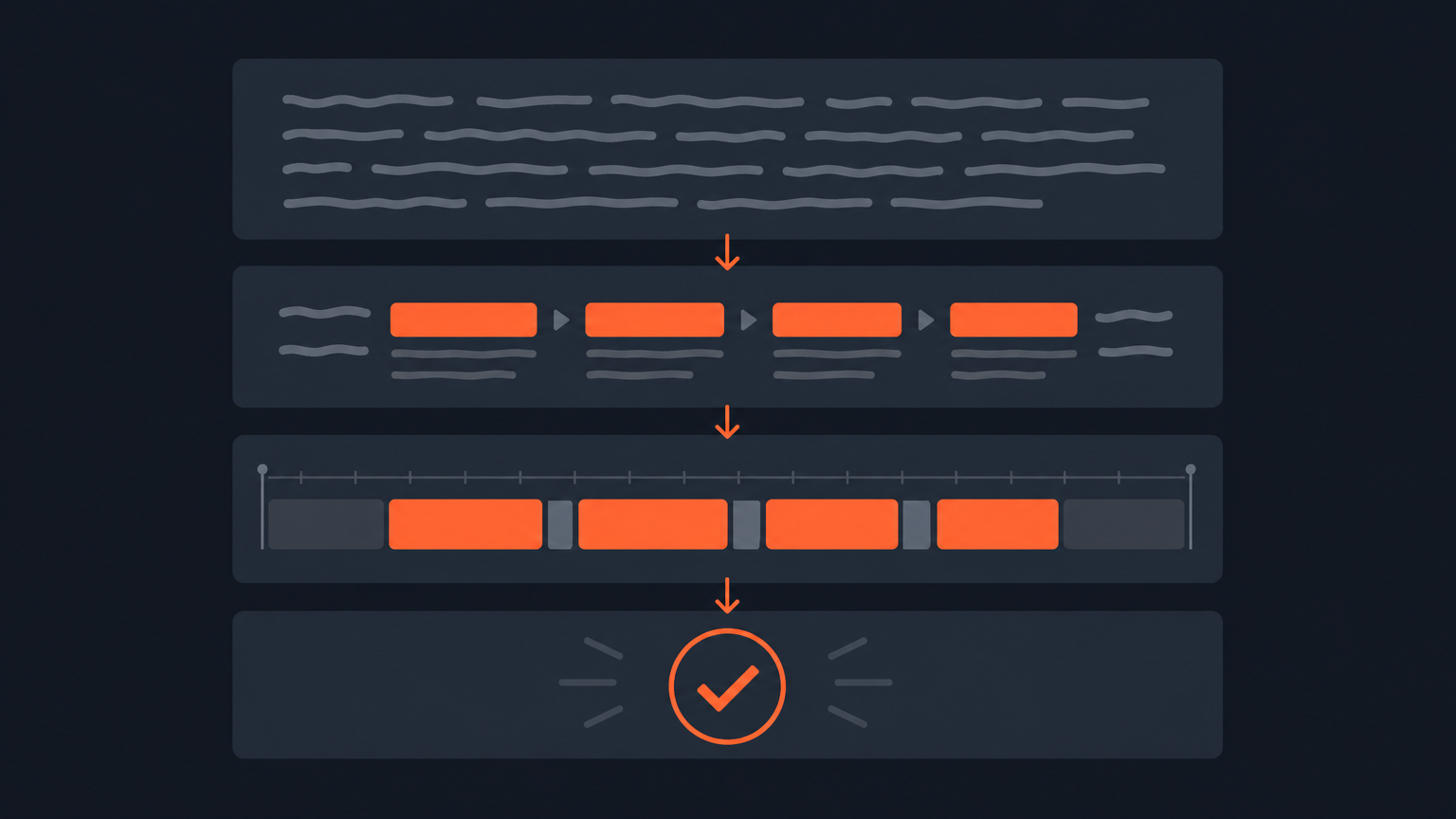
Ethical interview editing depends on always being able to see and hear the original. ScriptCut is built so the source stays one click away: you select and reorder whole spoken moments from a timecoded transcript, and you can play any clip to confirm the tone and meaning before you keep it. Because each selected line maps to exact frames, you condense and rearrange whole thoughts without ever splicing fragments into something that was never said, then export a clean timeline to your NLE.
Sources
frequently asked questions
A frankenbite is a sound bite stitched together from words spoken at different times, edited so smoothly it sounds like one continuous statement the subject never actually said.
No. Trimming filler, dropping dead air, and reordering whole answers is normal editing. A frankenbite happens specifically when the edit changes what the subject meant, not just how it is arranged.
The 2016 documentary Under the Gun showed gun-rights activists pausing silently after a question, but the pause was spliced in from a different part of the recording. The actual interview had an immediate answer.
Keep edits at the level of whole thoughts rather than splicing sub-sentence fragments, only remove true filler like ums and false starts, and always be able to play the original unbroken clip to verify meaning.
Because nonfiction editing runs on audience trust. Once a fabricated bite is discovered, usually through raw footage or other recordings, every other edit in the piece becomes suspect.
You might also like...
Start selecting.

Pick the story in the transcript, export a finished rough cut.