

How to Turn a Podcast Into Clips and Reels
One 60-minute podcast episode usually holds five to eight clips worth posting once you have a repeatable process for finding them, and shows running an aggressive social strategy push that number into the dozens. The gap between those two numbers is not talent, it is process: a consistent pass you run on every episode instead of hunting for one good moment and calling it done.
Case Study
How shows like My First Million turn one taping into a week of clips
My First Million, hosted by Sam Parr and Shaan Puri, is one of the shows regularly cited alongside The Diary of a CEO and Huberman Lab for building a large audience primarily through short-form clip distribution rather than the full-length episode alone. The shared playbook across all three: identify the 30 to 60 seconds of an episode that work as a standalone hook, caption it, and post daily across TikTok, Reels, and YouTube Shorts, rather than treating the full episode as the only distribution unit. One long-form recording becomes a week or more of daily content instead of a single post. This mirrors the broader pattern behind repurposing one video into many pieces of content that most creators now rely on.
The Repeatable Pass
Build the process once, run it every episode
- Transcribe with word-level timecode. Every later decision, which moment, how long, where to cut, depends on an accurate, timed transcript. Skip this and everything downstream gets slower.
- Read for hooks, not highlights. A highlight is a good moment. A hook is a good moment that makes sense with zero context, in the first three seconds, to someone who has never heard the show. Not every highlight survives that test.
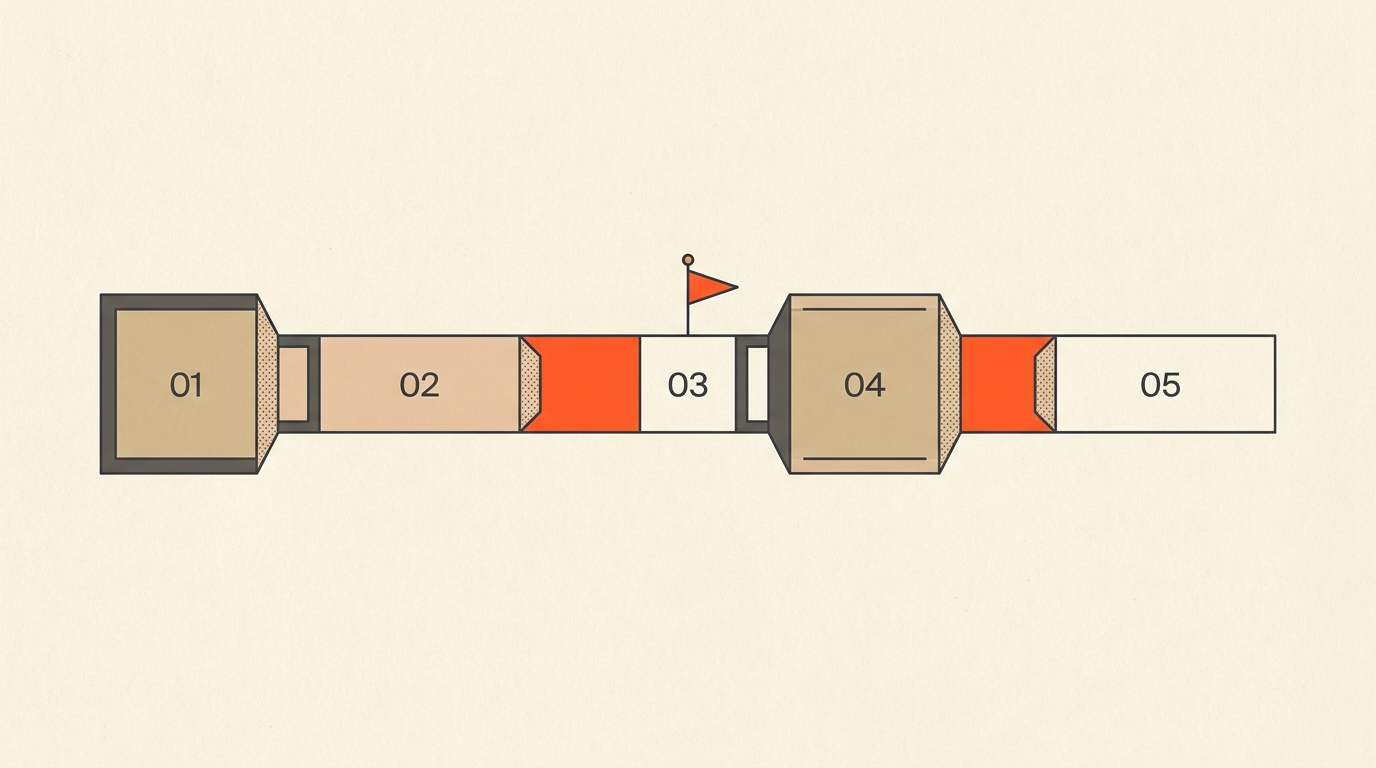
- Mark the boundary of each clip in the transcript. Find the natural start, usually a question or a setup line, and the natural end, usually right after the payoff, before you touch video.
- Batch the cutting. Pull every marked clip's timecodes at once rather than finishing one clip start to finish before starting the next.
- Caption and export in one pass per platform. Vertical crop, captions, and platform-specific export are mechanical steps best done together, not interleaved with the creative decisions above.
For a look at this process in action, here is a walkthrough of turning one long recording into a batch of short clips:
Batch It
Why switching modes repeatedly slows you down
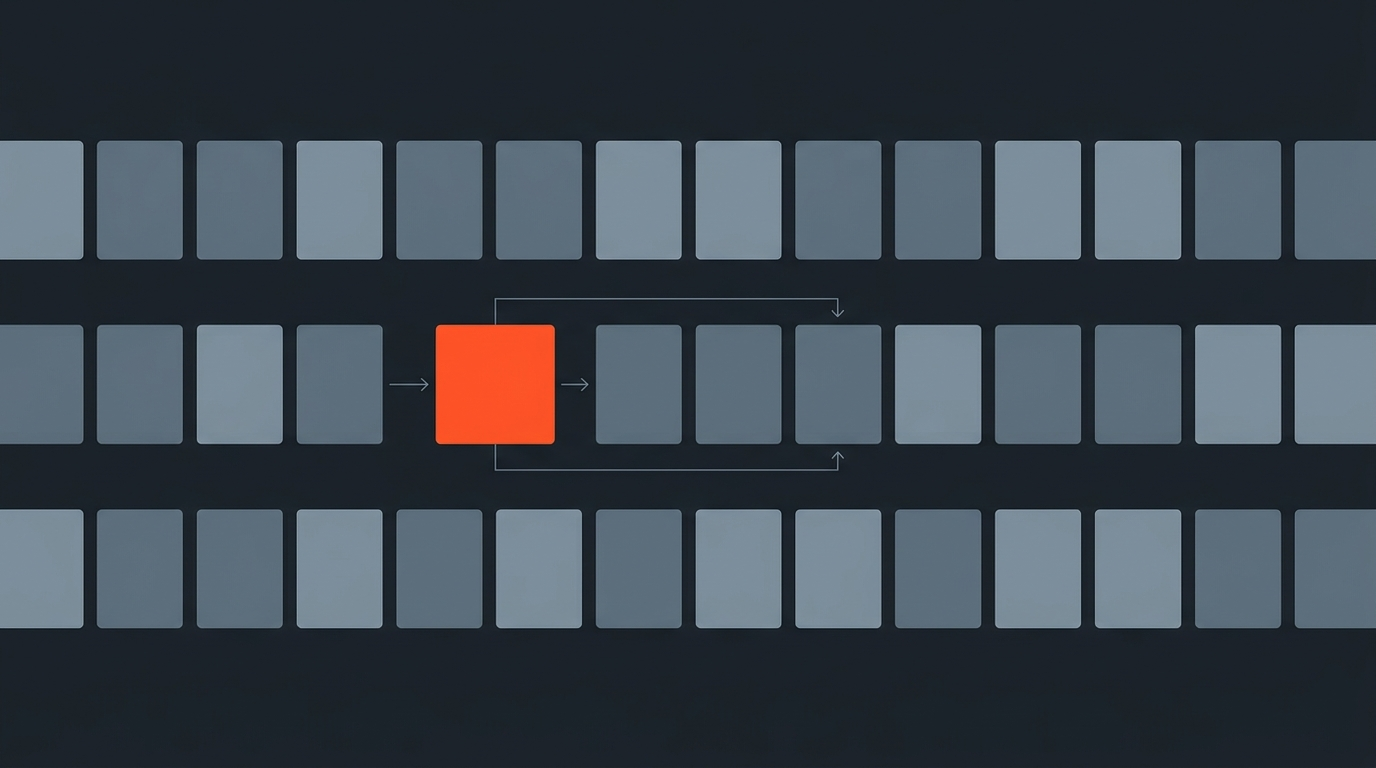
Finding a hook is a creative, judgment-heavy task. Cropping to 9:16 and burning in captions is a mechanical, repetitive task. Doing both at once, for one clip at a time, means constantly switching between two different kinds of attention, and that switching cost is where most of the wasted time in clip production actually lives. Mark every hook across the whole episode first, then batch every mechanical step second. The same episode that takes three hours clip-by-clip often takes under ninety minutes worked in two focused batches.
Clip Length
How long a podcast clip should actually run
YouTube Shorts allow up to three minutes and TikTok allows much longer, but platform limits are not the target to hit. Shorter clips built around a single idea consistently outperform longer ones stitched from several loosely related points, because a viewer decides whether to keep watching in the first two seconds regardless of how long the clip could technically run. Most of the highest-performing clips from shows like the ones above land in the 30 to 90 second range: long enough to deliver a real idea, short enough that nobody scrolls past it out of impatience.
Captions
Why every clip needs them, no exceptions
The majority of short-form video is watched with sound off, particularly on mobile in public. A clip without captions is invisible to a huge share of the audience that would otherwise stop scrolling for it. Captions are not a finishing touch here, they are load-bearing: a clip built around a great line of dialogue does not work if that line is never actually read.
Common Mistakes
Where clip strategy flattens the hook
The most common mistake is picking the moment that made you laugh in the room instead of the moment that makes sense with no context, which is a different bar entirely. The second is cutting a clip that ends right before the payoff instead of right after it, killing the exact reason someone would share it. The third is treating the full-length episode as the finish line and clips as an afterthought, when for most modern shows the clips are the primary distribution channel and the full episode is what a fraction of that clip audience eventually converts into, often by way of a full YouTube upload.
Where ScriptCut Fits
Finding the clips before you cut them
ScriptCut surfaces clip-worthy moments directly in the transcript with AI Clips, so the hook-finding step in the process above happens as a fast read instead of scrubbing back through the full recording. If you have compared tools like Opus Clip and Descript before settling on a workflow, ScriptCut approaches the same problem from the transcript outward rather than the timeline. Every marked clip keeps its word-level timecode, and the finished selection exports as a real sequence, alongside subtitles and clean audio, ready for whatever finishing step your show actually needs, from a quick caption pass to a full batch edit across a whole season.
Sources
frequently asked questions
A realistic target is five to eight clips once you have a repeatable process, though shows built around aggressive social distribution, like My First Million, often produce far more from a single taping.
Transcribe the episode with word-level timecode. Every later decision about where a clip starts and ends depends on an accurate, timed transcript.
Finding a hook and cropping or captioning a clip use two different kinds of attention. Batching each step across the whole episode avoids the time lost switching between them repeatedly.
Platforms allow up to a few minutes, but most high-performing clips run 30 to 90 seconds and focus on a single idea rather than stretching to fill the time limit.
Yes. Most short-form video is watched with sound off, so a clip without captions is effectively invisible to a large share of its potential audience.
Look for a moment that makes sense with zero context in the first three seconds, not just a moment that got a laugh in the room while recording.
You might also like...


Start selecting.

Pick the story in the transcript, export a finished rough cut.